
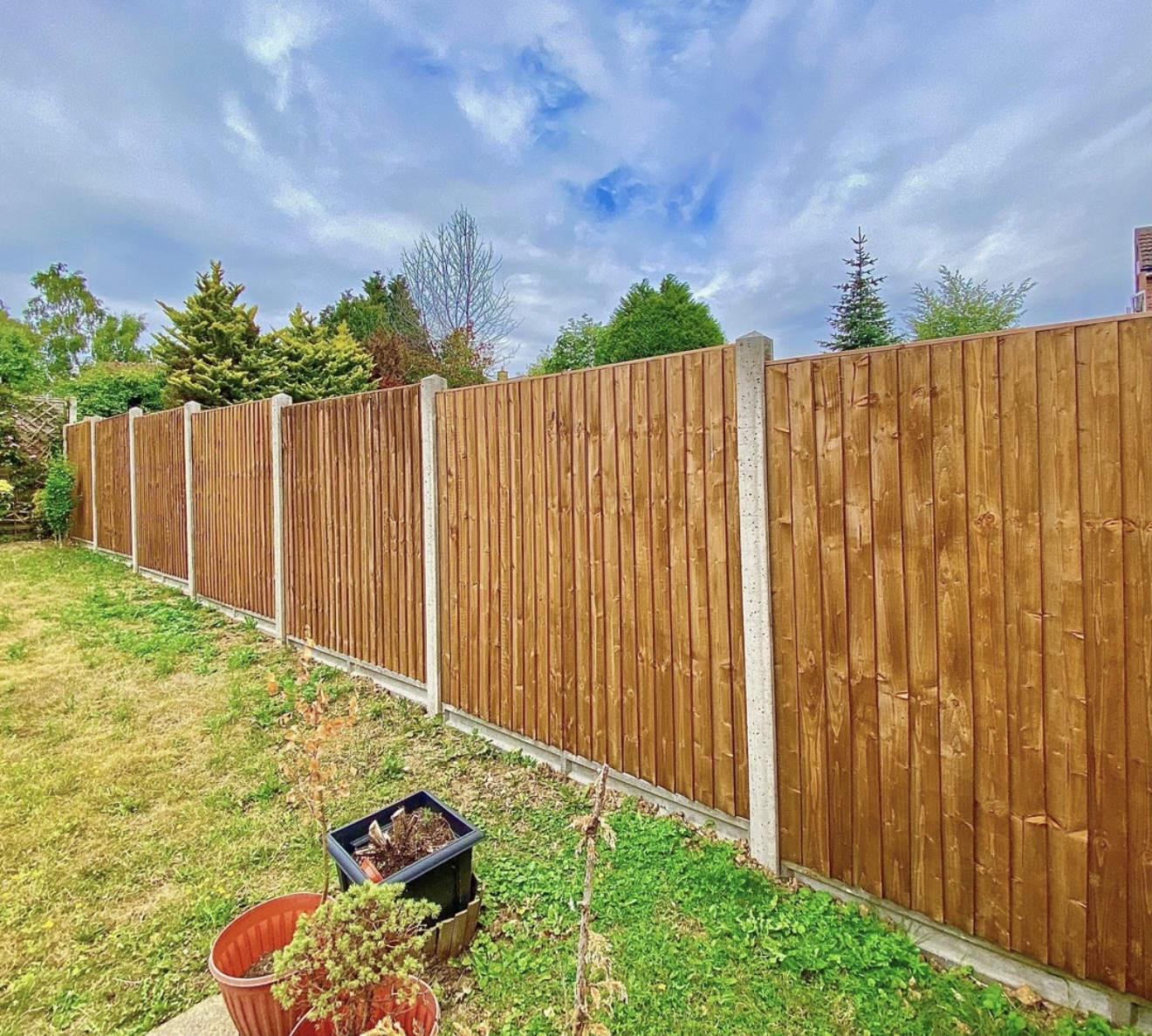
Timber palisade and picket fencing adds charm and character to any garden, especially when it’s bespoke and crafted with premium materials. Smartbuild, a UK-based company specialising in bespoke garden rooms, fencing, and landscaping, prides itself on expert craftsmanship and durable designs. However, even the highest quality timber fencing needs proper care to stay in peak condition. Regular maintenance not only preserves the strength and security of your fence, but also keeps it looking as stunning as the day it was installed. Here we outline the essential maintenance steps for your bespoke timber palisade and picket fencing, ensuring it remains a standout feature of your outdoor space for years to come.
Regular Cleaning
Routine cleaning is the foundation of timber fence care. Aim to clean your palisade or picket fence at least once a year to remove dirt, moss, mildew, and algae that accumulate over time. Begin by using a mild detergent mixed with warm water and a soft-bristled brush to gently scrub the timber along each board. If you choose to use a pressure washer, keep it on a low-pressure setting and hold the nozzle at a slight distance to avoid gouging the wood. For any stubborn stains or patches of green algae, a solution of one part white vinegar to four parts water makes an effective and eco-friendly cleaner. After scrubbing, rinse the fence thoroughly with a garden hose and allow it to dry naturally. Regular cleaning not only rejuvenates the appearance of the wood but also prevents organic growths from causing decay, helping your fence maintain its fresh look and structural integrity.
Seasonal Inspections for Damage
Performing seasonal inspections ensures that minor issues are caught early. Check your fencing at least twice a year, ideally in spring and autumn, and certainly after any severe weather such as storms or heavy winds. Walk the length of your fence and examine it closely for signs of wear and damage. Look for things like rot or soft spots in the timber (particularly near the ground where moisture damage is more likely), cracks or splits in the boards, and any warping or bowing of the palisades. Ensure that all fence posts are standing firm and upright – if a post is starting to lean, its foundation may need attention. Also, notice hardware issues: nails or screws might have worked loose, or fittings may be rusting. By spotting these problems early, you can arrange for repairs before they worsen. Regular inspections are a simple yet crucial step to keep your fence safe and sturdy year-round.
Checking for Pest Infestations
Even with high-quality timber, wood-boring pests can pose a threat to your fence if left unchecked. During your maintenance routine, be vigilant for any signs of insect infestation such as termites, woodworm, or carpenter ants. These pests can burrow into the wood and undermine the fence’s strength from within. Look out for tell-tale signs: small pinholes in the timber, piles of sawdust (frass) at the base of the fence, or areas of wood that appear hollowed out. If you suspect a pest problem, act promptly. Treat minor infestations with an appropriate wood-safe pesticide or preservative, and consider calling a professional pest control service for more extensive infestations. Smartbuild uses timber that is often pre-treated to resist insects, but no wood is completely immune. Staying watchful and addressing pests early will protect your bespoke fence from hidden damage.
Preventing Moisture Damage
Moisture is one of the main causes of deterioration in timber fencing, especially in the damp British climate. To prevent moisture damage, keep the area around your fence clear and well-ventilated. Remove any buildup of leaves, soil, or garden debris along the base of the fence, as these can trap water against the wood and encourage rot. It’s also wise to trim back any nearby plants, hedges, or ivy that may be touching the fence; constant contact with foliage can restrict airflow and keep the wood damp. By ensuring a gap between your fence and any surrounding vegetation, you allow air to circulate and help the timber dry out after rain. Additionally, avoid positioning sprinklers so they constantly soak the fence, and check that your garden’s drainage directs water away from the fence line. Taking these precautions will significantly reduce the risk of rot and mould, preserving the fence’s structural integrity and appearance.
Repairing Cracks and Splits
Timber can develop small cracks or splits over time as it weathers, but addressing them promptly will prolong the life of your fence. During your inspections, if you find minor cracks in the palisades or rails, seal them with a waterproof wood glue or a quality outdoor wood filler. This prevents water from seeping into the cracks and expanding the damage. For instance, a slight split in a picket can be bonded and clamped until the glue sets, restoring its strength. On the other hand, if a section of wood is severely cracked, partially rotten, or broken beyond a simple fix, it’s best to replace that board entirely. When replacing any boards, use new timber that matches your fence (Smartbuild can provide matching bespoke pieces) and secure them with galvanised screws or nails to prevent rust. Take the opportunity to tighten any loose screws and hammer down any protruding nails elsewhere on the fence as well. By repairing minor damage and swapping out any bad boards, you’ll keep your fence strong, safe, and looking uniform across its whole span.
Applying Protective Coatings
One of the most important long-term maintenance steps for timber fencing is applying protective coatings. Every couple of years – generally every 2–3 years – plan to refresh your fence’s finish with a high-quality stain, sealant, or outdoor paint. These finishes create a protective barrier against the elements: they repel water, shield the wood from ultraviolet (UV) sun rays, and can even contain additives that discourage pests and mould. Before applying a new coat, make sure the fence is clean and dry; it often helps to lightly sand the surface so the new coating adheres well. Pay special attention to the end grains (the cut ends of the boards and tops of posts) during this process, as these areas absorb moisture most readily – coating them thoroughly will prevent water ingress. Whether you choose to stain your fence to accentuate the natural wood grain or paint it to match your garden’s aesthetic, maintaining a protective finish will greatly extend the fence’s lifespan. Not only does a fresh coating keep the timber in top condition, it also revitalises the look of your fence, enhancing the overall beauty of your outdoor space.
Anchoring Posts and Smoothing Rough Edges
Seasonal weather can test the strength of your fencing, so it’s important to keep structural elements in check. Ensure that each fence post is solidly anchored, especially before winter when strong winds and storms are more frequent. If you notice any post wobbling or the ground around it has eroded, you may need to shore it up. This could involve packing additional soil or gravel at the base, or resetting the post in concrete if necessary. A firmly set post will prevent sections of the fence from leaning or collapsing under pressure. In addition to securing the posts, take time annually to smooth out any rough edges on your fence. After a thorough cleaning (and ideally before re-coating the wood), inspect for splinters or raised grain on the palisades and rails. Lightly sand these areas with fine-grit sandpaper until the wood is smooth to the touch. This not only makes the fence safer (no unwelcome splinters for passing children or pets) but also helps your next coat of stain or paint go on evenly. By keeping posts sturdy and surfaces splinter-free, you ensure your fence remains both resilient against the weather and comfortable to handle during routine gardening tasks.
Keeping Records and Planning Replacements
Maintaining a simple record of your fence care can be very beneficial over the long term. Keep a notebook or digital log of maintenance activities – note the dates of each cleaning, inspection, repair, and re-coating you perform. This history helps you stay on schedule with upkeep and serves as a useful reference. For example, you’ll easily see when the fence was last treated or if a particular post has been repeatedly repaired, indicating it might need extra attention. Photographs taken annually can also help track the fence’s condition and catch subtle changes.
Finally, recognise when it’s time to replace sections of your fence. Despite excellent maintenance, timber does age, and severe damage from accidents or years of exposure might mean a particular panel or post has reached the end of its lifespan. Replacing a weakened section in a timely manner is far better than risking an entire fence failing. When you do replace parts of the fence, use high-quality timber and galvanised hardware to match Smartbuild’s original construction standards. Our team can craft replacement sections to blend seamlessly with your existing bespoke design, preserving the fence’s cohesive look. With detailed maintenance records and the willingness to renew any ageing components, your fence will continue to serve as a sturdy and beautiful border to your property.
In conclusion, a bespoke timber palisade and picket fence from Smartbuild is designed for exceptional durability and beauty. By following these maintenance practices – from regular cleaning and inspections to timely repairs and re-coating – you can extend the life of your fence for decades. A well-cared-for fence not only lasts longer (often 20 years or more) but also maintains its visual appeal throughout its life. Your investment in premium materials and expert craftsmanship truly pays off when paired with consistent upkeep, ensuring your garden’s fencing remains a source of pride and a testament to Smartbuild’s quality for many years to come.
Try our new Fencing Calculator to get a real time cost estimate for materials and labour