
Selecting the right fencing for your property is an important decision that affects not only the security and privacy of your home but also its overall appearance and value. With so many options available, making the right choice can seem overwhelming. This guide from SmartBuild, your expert garden room company, will help you navigate the different fencing materials and styles, so you can choose the best option for your specific needs. Let’s explore everything you need to know to make an informed decision about your property’s fencing.
Assessing Your Needs
Before diving into the various types of fencing materials and styles, it’s essential to evaluate your specific requirements. Here are the key factors to consider:
Security
If security is your main concern, you’ll want to focus on fencing options that provide strength and resistance to intrusion. Metal fencing and closeboard wooden fences are excellent choices for creating a sturdy, protective barrier around your property. Both options offer a high level of security, with metal gates providing additional protection for entry points.
Privacy
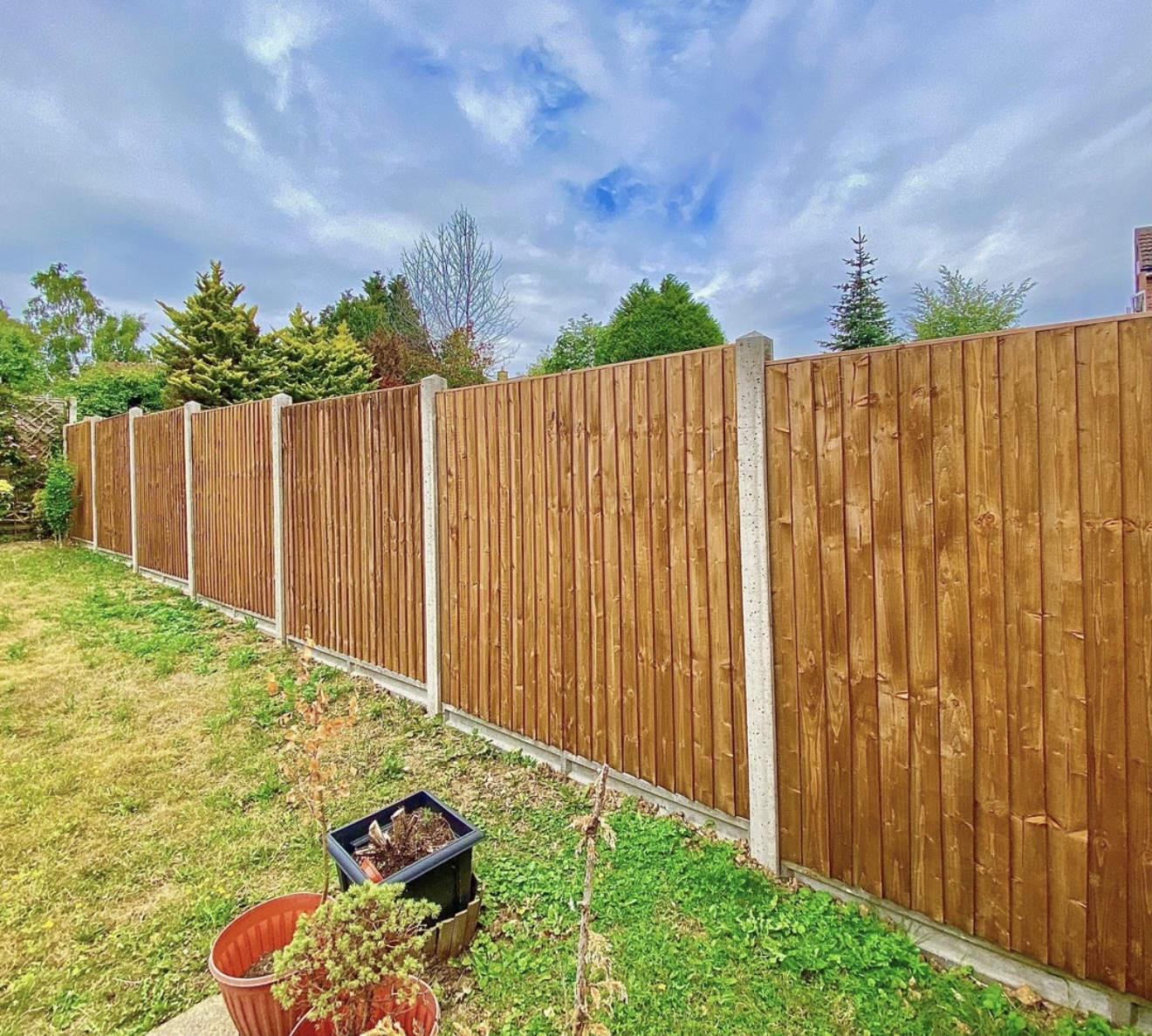
For those who value privacy, solid panel fences like closeboard panel fencing or decorative fencing with limited visibility are ideal. These styles block the view into your garden or outdoor space, allowing you to enjoy your surroundings in peace.
Aesthetics
It’s important to choose a fence that complements the style of your home and garden. Whether you prefer the natural look of timber or the sleek finish of metal, your fence should enhance your property’s overall aesthetic. Closeboard panel fencing, bespoke timber palisade fencing, or decorative panel fencing can be tailored to suit both modern and traditional properties.
Maintenance
Consider how much time and effort you’re willing to invest in maintaining your fence. While some materials require regular upkeep, others are more low-maintenance. We’ll cover this in more detail when discussing materials below.
Budget
Setting a budget is a key part of the decision-making process. Be sure to account for both the initial cost of the fence and any long-term maintenance expenses. Some materials may have a higher upfront cost but require less ongoing upkeep, making them more cost-effective over time.
Fencing Materials
Now that you’ve assessed your needs, let’s take a look at the different fencing materials available and the pros and cons of each.
Wooden Fencing
Wooden fences are a classic choice, offering natural beauty and versatility. Available in a range of styles, including closeboard, lap panel, and picket fencing, wood can be customised to suit various garden designs.
- Pros: Wooden fencing has a natural aesthetic appeal, is versatile in terms of design, and is typically a cost-effective option.
- Cons: Wood requires regular maintenance, such as staining or painting, to prevent rot and insect damage. Without proper care, it may not last as long as other materials.
Vinyl Fencing
Vinyl fencing is growing in popularity due to its durability and low-maintenance requirements.
- Pros: It’s resistant to rot and pests, making it a long-lasting choice. Vinyl fences require little maintenance beyond occasional cleaning.
- Cons: Vinyl can be more expensive initially, and there are fewer colour and style options compared to wood.
Metal Fencing
Metal fencing, including aluminium, steel, and wrought iron, offers both security and style.
- Pros: Metal fences are extremely strong, provide excellent security, and can be designed in various decorative styles. They are long-lasting and require minimal maintenance.
- Cons: Metal fencing can be costly, especially for more ornate designs like wrought iron. In some cases, periodic rust prevention treatments may be needed, particularly in areas with high moisture levels.
Composite Fencing
Composite fences combine wood fibres with recycled plastic, offering the look of wood with greater durability and less maintenance.
- Pros: Composite fencing is eco-friendly, resistant to rot and weather damage, and requires very little maintenance.
- Cons: The initial cost is higher than other materials, and there are fewer options in terms of colours and finishes.
Fence Styles
In addition to choosing the right material, it’s essential to consider the style of fence that best suits your needs. Here are some common options:
Privacy Fences
Privacy fences, such as closeboard panel fencing, offer maximum privacy and security. These solid panel fences create a barrier that blocks views from neighbours or passers-by, making them ideal for back gardens.
Decorative Fences
If aesthetics are your priority, decorative panel fencing or bespoke timber palisade fencing may be the perfect choice. These fences define your property’s boundaries while enhancing its visual appeal, without completely blocking the view.
Security Fence
For added protection, tall, sturdy fences with minimal gaps, such as closeboard fencing or metal railings, provide enhanced security. These fences are ideal for keeping intruders out while maintaining the integrity of your property’s appearance.
Legal Considerations
Before installing any type of fence, it’s important to check local regulations. Depending on your location, there may be rules governing:
- Maximum fence height
- Setback requirements (how far the fence must be from the property line)
- Permitted materials
- Restrictions for listed properties or conservation areas
At SmartBuild, we can guide you through any legal requirements to ensure that your fence complies with local regulations.
Installation: DIY vs Professional
Once you’ve chosen the right fence, the next decision is whether to install it yourself or hire a professional. While some simpler fences, like picket fencing, can be installed by skilled DIY enthusiasts, more complex installations—such as closeboard panel fencing or metal fencing—may require the expertise of a professional.
Considerations:
- Skills: Do you have the necessary skills and tools to complete the installation?
- Time: Professional installation is quicker and ensures a high-quality finish.
- Complexity: Fences on sloping ground or those requiring precise measurements, like bespoke gates, are best left to experts.
At SmartBuild, we offer professional installation services, ensuring your fence is expertly fitted and built to last.
Maintenance Considerations
Long-term maintenance is a key factor to consider when choosing your fencing material. Here’s what to expect with different materials:
- Wood: Requires regular staining or painting to protect against rot, insects, and weather damage
- Metal: Metal fences may need rust prevention treatments over time, particularly in wet climates.
- Vinyl and Composite: These materials are the most low-maintenance options, typically requiring only occasional cleaning.
Conclusion
Choosing the right fence for your property involves balancing security, privacy, aesthetics, budget, and maintenance requirements. Whether you’re looking for the strength of closeboard panel fencing, the low-maintenance benefits of composite fencing, or the elegance of metal fencing, it’s essential to consider all your options before making a decision.
At SmartBuild, we’re here to help. Our team of experts can guide you through the entire process—from selecting the best material and style to ensuring professional installation. By carefully assessing your needs and consulting with professionals, you can choose a fence that enhances your property’s security, privacy, and visual appeal for years to come.
Try our new Fencing Calculator to get a real time cost estimate for materials and labour