
When planning a fencing project in the UK, it’s essential to understand the various factors that influence the overall cost. From the choice of materials to legal responsibilities, these aspects can impact both expenses and the final outcome of the project. By considering these factors carefully, homeowners can make informed decisions that balance budget, aesthetics, and durability.
Type of Fence
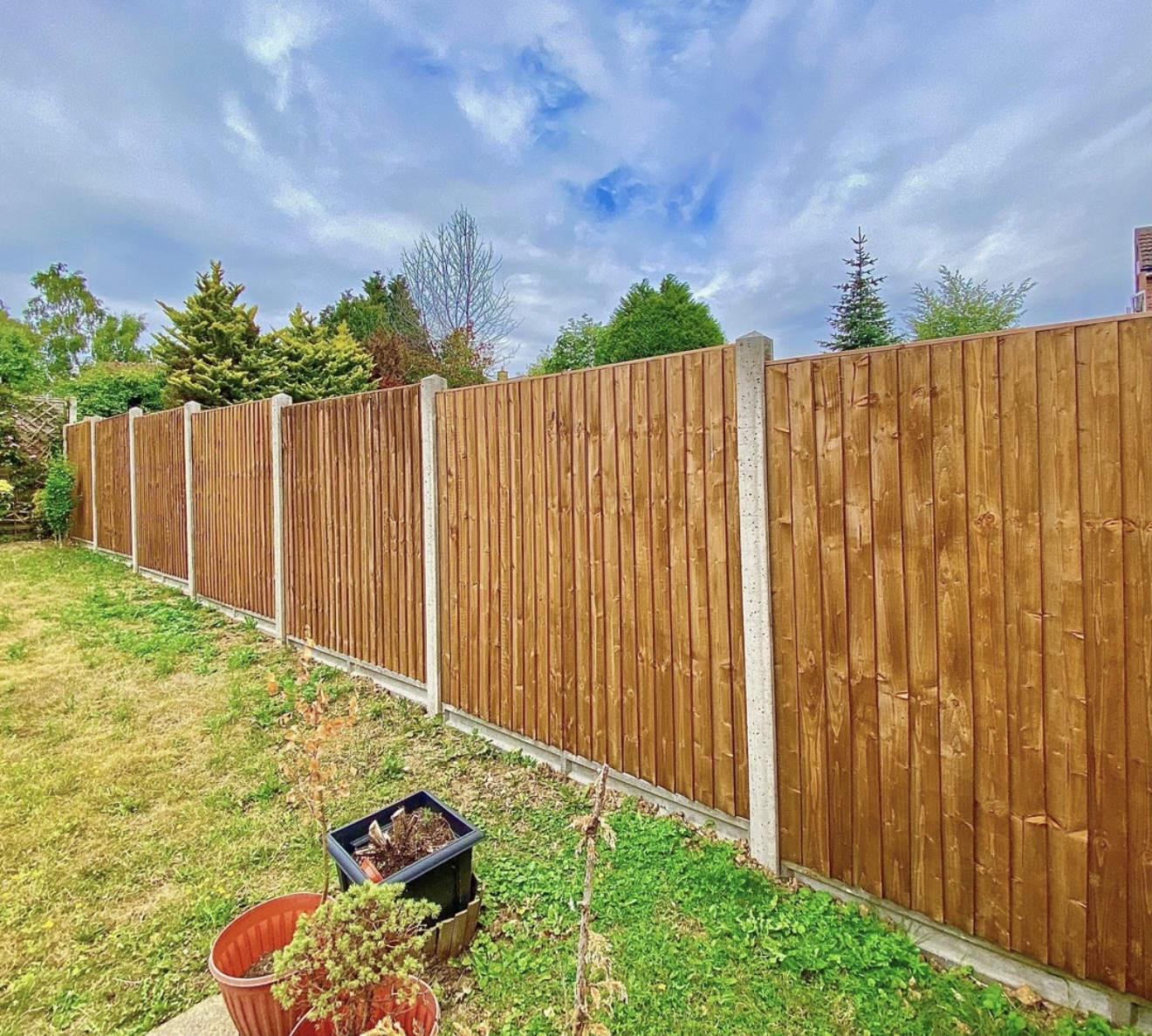
The type of fence you select plays a significant role in determining installation costs. Common options include wooden, vinyl, and metal fencing, each varying in price depending on material quality, durability, and maintenance needs. For instance, wooden fences might be a more affordable choice initially but may require frequent maintenance over time. In contrast, metal or vinyl options can be more expensive upfront but offer greater longevity and require less upkeep. For homeowners considering a high-quality and long-lasting installation, SmartBuild offers various bespoke fencing solutions tailored to different preferences and budgets, such as closeboard panel fencing and decorative panel fencing.
Legal Responsibilities and Planning Permission
Before installing a new fence, it’s crucial to confirm property boundaries and understand your legal responsibilities. Reviewing property deeds or consulting the Land Registry can help identify whose responsibility it is to maintain or replace a fence. Additionally, planning permission may be required, especially for fences over two metres in height. Obtaining planning permission, if necessary, may add to the cost but ensures that the installation complies with local regulations. This step can prevent potential fines and disputes down the line.
Installation Costs
Labour costs for fence installation can vary widely, influenced by factors such as location and project complexity. Hiring professionals is often recommended to ensure the fence is installed correctly, reducing the risk of issues and repairs later. Professional installers may charge more than DIY solutions, but their expertise can prevent costly mistakes. For those interested in quality workmanship, hiring an experienced company like SmartBuild ensures a reliable and professional installation.
Aesthetics and Customisation
A fence isn’t just a practical addition to a property—it also contributes to its overall aesthetics. Custom designs, intricate patterns, or high-quality materials may come at a premium, but they can significantly enhance curb appeal and property value. Balancing budget and aesthetic preference is essential. Some may choose more affordable options to save on costs, while others invest in custom designs for a unique look. SmartBuild offers a range of options, including custom bespoke garden rooms, which complement the fence designs for an attractive outdoor space.
Weather Considerations
The UK’s varied climate is another factor to consider when selecting fencing materials. Areas prone to extreme weather conditions, such as high winds or heavy rainfall, require fences made from durable materials that can withstand these elements. Wooden fences may not last as long in damp climates without regular treatment, whereas metal and vinyl fences offer better resilience. Installing weather-resistant materials may add to the initial expense but saves money in the long run by reducing repair and replacement costs.
Additional Features
Many homeowners wish to add extra features to their fences, such as gates, decorative elements, or safety features for pets or children. Each of these additions increases the project’s total cost, so it’s wise to plan for them in advance to avoid unexpected expenses. Gates, for instance, are practical for accessibility but often require special hinges, locks, and support, which come at an additional cost. SmartBuild’s bespoke options allow homeowners to personalise their fences with various features, creating a design that meets both functional and aesthetic needs.
Neighbourly Considerations
When installing a fence that affects a shared boundary, it’s essential to communicate with neighbours beforehand. This approach helps prevent disputes, ensuring both parties are content with the outcome. Some neighbours may even agree to share the cost if they will benefit from the new fence, reducing the financial burden for both sides. Good communication can prevent costly adjustments later if neighbours raise concerns after the installation.
By keeping these key factors in mind, homeowners in the UK can approach fence installation with clarity, balancing costs, functionality, and aesthetics for an optimal result.
Try our new Fencing Calculator to get a real time cost estimate for materials and labour