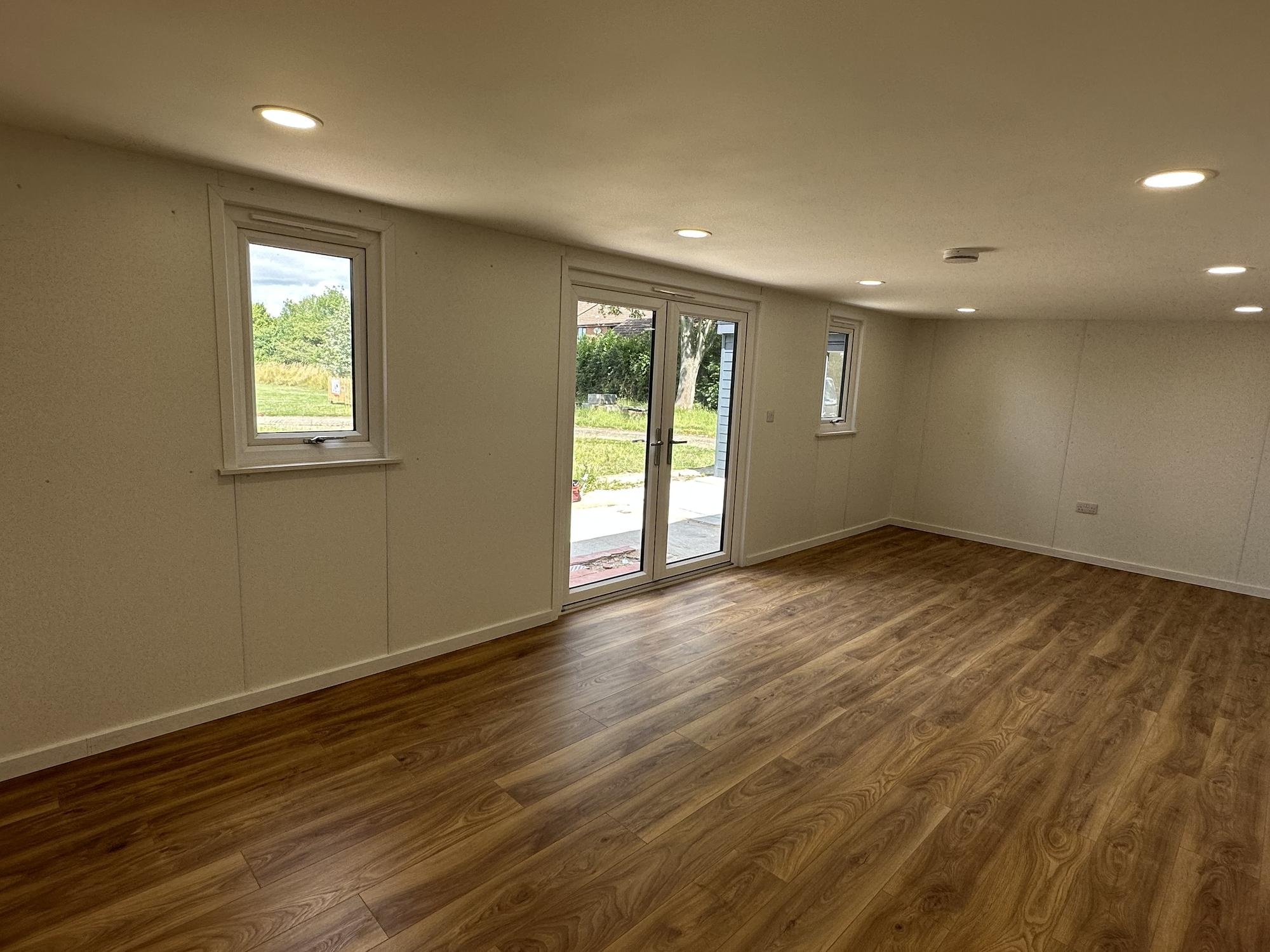
Are you in need of extra storage space for your garden tools, equipment, or outdoor furniture? Look no further than the perfect garden shed with a floor. Choosing the right shed can make all the difference in keeping your items safe, organised, and protected from the elements. But with so many options available, how do you know which one is right for you?
In this comprehensive guide, we will walk you through everything you need to know about selecting the perfect garden shed with a floor. From understanding the different materials and styles available to considering the size, durability, and security features, we’ve got you covered. Whether you have a small urban garden or a sprawling backyard, finding the ideal shed that meets your specific needs and preferences is essential.
By the end of this guide, you will be equipped with the knowledge and confidence to make an informed decision and choose the perfect garden shed with a floor that complements your outdoor space. So let’s dive in and begin our journey to finding your ideal garden shed.
Benefits of Choosing a Garden Shed with a Floor
Choosing a garden shed with a floor offers numerous advantages that can significantly enhance your outdoor storage experience. One of the primary benefits is the improved protection it provides for your tools and equipment. A floor keeps your items elevated off the ground, safeguarding them from moisture, dirt, and pests. This added layer of protection is particularly crucial if you live in an area prone to heavy rainfall or flooding, as it minimises the risk of water damage to your valuable items stored inside.
Additionally, a floor can contribute to better organisation within your shed. With a solid surface to work with, you can easily install shelving units or pegboards, allowing you to maximise vertical space and keep your tools easily accessible. This organisational capability not only makes it easier to find what you need but also encourages you to maintain a tidy and clutter-free environment. As a result, you’ll spend less time searching for tools and more time enjoying your gardening activities.
Moreover, a garden shed with a floor can enhance the overall aesthetics of your backyard space. Many sheds with floors are designed with attractive features that can complement your garden’s landscape. Whether you opt for a traditional wooden shed or a modern metal one, the floor adds a finished look to the structure. A visually appealing shed can serve as a charming focal point in your garden, transforming it from a simple storage space into a stylish addition to your outdoor sanctuary.
Factors to Consider When Choosing a Garden Shed with a Floor
When selecting the ideal garden shed with a floor, several factors should influence your decision to ensure that it meets your specific needs. First and foremost, consider the size of the shed. Assess the space available in your garden and determine how much storage you require. A well-sized shed allows you to store all your gardening tools and equipment comfortably without overcrowding. It’s crucial to measure the area where you plan to place the shed and factor in any local zoning regulations that may dictate the maximum dimensions allowed.
Another important factor is the material of the shed. Garden sheds come in various materials, including wood, metal, and resin, each with its unique benefits and drawbacks. Wooden sheds often offer a classic look and natural insulation, while metal sheds provide durability and low maintenance. Resin sheds are lightweight and resistant to rot, making them a popular choice for humid climates. Evaluating the pros and cons of each material can help you make an informed decision based on your preferences and the environmental conditions in your area.
Lastly, consider the budget you have set for your garden shed. Prices can vary significantly based on size, material, and additional features. It’s wise to establish a budget and explore options that fit within your financial constraints without sacrificing quality. Keep in mind that investing in a high-quality shed may save you money in the long run through reduced maintenance and longer lifespan. By taking these factors into account, you can ensure that the shed you choose will be a valuable and lasting addition to your garden.
Understanding Different Types of Garden Shed Flooring Materials
Choosing the right flooring material for your garden shed is crucial for its longevity and functionality. The most common types of flooring materials include plywood, treated wood, concrete, and metal. Each of these materials has its unique characteristics that can affect the performance of your shed. Plywood is lightweight and easy to install, making it a popular choice among DIY enthusiasts. However, it may not be as durable as other options and can warp or rot if not properly treated.
Treated wood is another popular flooring option due to its resistance to pests and moisture. Pressure-treated lumber can withstand the elements, providing a solid foundation for your shed. It’s essential to choose high-quality treated wood to ensure that it lasts for many years. This type of flooring can also be stained or painted to match the aesthetics of your garden shed, offering both functionality and visual appeal.
Concrete flooring is often regarded as the most durable option. It provides a solid, stable base that can withstand heavy loads and is resistant to moisture and pests. While installing concrete flooring may require more effort and cost initially, it can save you money in the long run due to its durability. Metal flooring options are also available, providing a modern look and high resistance to wear and tear. Understanding these materials will help you choose the right flooring for your garden shed based on your specific needs and preferences.
Popular Garden Shed Flooring Options and Their Pros and Cons
When it comes to flooring options for garden sheds, each has its pros and cons that can significantly influence your decision. Plywood flooring is often favored for its affordability and ease of installation. It allows for quick and straightforward setup, making it ideal for those who prefer a DIY approach. However, it can be susceptible to water damage if not properly sealed, which may lead to rotting over time. Regular maintenance, such as sealing and painting, is necessary to prolong its lifespan.
Treated wood offers better durability compared to standard plywood. The treatment process helps to protect against moisture and pests, making it a more reliable choice for outdoor storage. It can also be customised to fit the look of your shed, allowing for aesthetic flexibility. However, treated wood tends to be more expensive and may require periodic maintenance to ensure its longevity. Additionally, it can be heavier than other options, which may complicate installation.
Concrete flooring is a robust and long-lasting choice that provides excellent resistance to moisture and pests. It offers a solid foundation that can support heavy equipment and tools without any risk of damage. The downside is that concrete can be more expensive to install, and the process requires more time and effort. It may also be colder and less comfortable for walking on, especially in cooler climates. Overall, each flooring option presents distinct advantages and disadvantages, making it essential to weigh these factors against your specific requirements and budget.
How to Prepare the Ground for Your Garden Shed with a Floor
Preparing the ground for your garden shed is a critical step that ensures stability and longevity. The first step in this process is to choose the right location. Look for an area that is level, well-drained, and away from overhanging branches or shrubbery. Ideally, the location should receive ample sunlight and be accessible for maintenance and use. Once you have identified the perfect spot, clear the area of any debris, rocks, or vegetation that may obstruct the installation.
After clearing the area, the next step is to level the ground. You can use a shovel to remove any high spots or add soil to low areas to create a flat surface. A level base is crucial for the overall stability of your shed, as an uneven foundation can lead to structural issues over time. If the ground is particularly challenging to level, consider using a gravel base. Gravel allows for good drainage and helps to prevent moisture buildup, which can be detrimental to your shed.
Finally, consider laying down a ground cover material, such as landscape fabric or a layer of gravel, to inhibit weed growth and provide additional drainage. This step is particularly important if your shed flooring is made of material that is susceptible to moisture damage. Proper ground preparation will create a solid foundation for your garden shed, ensuring it remains stable and functional for years to come.
Step-by-Step Guide to Installing a Garden Shed with a Floor
Installing a garden shed with a floor can be a manageable DIY project if approached methodically. Start by gathering all necessary materials and tools, including the shed kit, foundation blocks or gravel, a level, a drill, screws, and safety gear. Once you have everything ready, follow these steps for a successful installation.
Begin by establishing the foundation. If you opted for a gravel base, spread the gravel evenly across the prepared area, ensuring it is level and compacted. If you are using foundation blocks, place them at the corners and along the edges of the shed’s perimeter for support. Make sure they are level to provide a stable foundation for the shed.
Next, assemble the shed according to the manufacturer’s instructions. Start with the floor panel, ensuring it is securely attached to the foundation. Then, build the walls and roof, following the assembly guidelines closely. Use a level to check that each component is straight and plumb. Once the structure is assembled, secure all panels with screws or nails as indicated in the instructions. Finally, add any additional features such as windows, shelves, or hooks for tools to maximize the functionality of your new garden shed.
Maintenance Tips for Garden Sheds with Floors
Maintaining your garden shed with a floor is essential to ensure its longevity and functionality. Regular inspections should be a part of your maintenance routine. Check for any signs of wear and tear, such as rotting wood, rust on metal components, or cracks in the flooring. Addressing these issues promptly can prevent more extensive damage and costly repairs down the line.
Cleaning is another vital maintenance task. Keep the interior of the shed organised and free from debris to promote airflow and reduce the likelihood of moisture buildup. Periodically sweep out dust and dirt, and consider using a mild detergent to clean surfaces as needed. Additionally, check the exterior of the shed for mold or mildew, particularly in humid conditions, and treat it with appropriate cleaning solutions if necessary.
Finally, ensure that the flooring is adequately sealed and protected. If you have a wooden floor, regularly apply sealant or paint to protect it from moisture and pests. For concrete flooring, consider applying a sealant to prevent stains and damage. By following these maintenance tips, you can keep your garden shed in excellent condition, making it a reliable storage solution for years to come.
Additional Features to Consider for Your Garden Shed with a Floor
When selecting a garden shed with a floor, there are several additional features to consider that can enhance its functionality and usability. One key feature is ventilation. Proper airflow within the shed can help prevent moisture buildup and reduce the risk of mold and mildew. Look for sheds with built-in vents or consider adding your own to ensure adequate ventilation, especially if you plan to store items that may produce odors or release moisture.
Another feature to think about is the type of door. Garden sheds come with various door options, including single doors, double doors, or roll-up doors. Choosing the right type of door can impact accessibility. For instance, double doors provide easier access for larger items, while roll-up doors can save space in tight areas. Ensure that the door you choose is sturdy and secure to protect your belongings from theft or weather damage.
Finally, consider additional storage solutions, such as shelving, pegboards, or hooks for tools. Installing these features can help you make the most of the vertical space in your shed and keep your tools organised and easily accessible. These thoughtful additions can transform your garden shed from a simple storage unit into a fully functional workspace tailored to your gardening needs.
Conclusion
Choosing the perfect garden shed with a floor is a significant decision that can greatly enhance your outdoor storage capabilities. By understanding the benefits, factors to consider, and various materials and options available, you can make an informed choice that meets your specific needs. From the initial preparation of the ground to the installation and maintenance of your shed, each step is crucial for ensuring that it remains a functional and aesthetically pleasing addition to your garden.
As you embark on this journey, remember to consider your budget, the size of your garden, and the materials that best suit your climate and storage requirements. Take the time to evaluate additional features that can improve the usability of your shed, such as ventilation, door types, and custom storage solutions. With careful planning and consideration, you can create an organised and efficient storage space that complements your outdoor lifestyle and enhances your gardening experience.
Ultimately, your garden shed should serve as a valuable resource for your gardening endeavors, providing a safe and organised environment for all your tools and equipment. With the right knowledge and approach, you will be well-equipped to select and maintain the perfect garden shed with a floor that meets your needs and elevates your gardening experience for years to come.