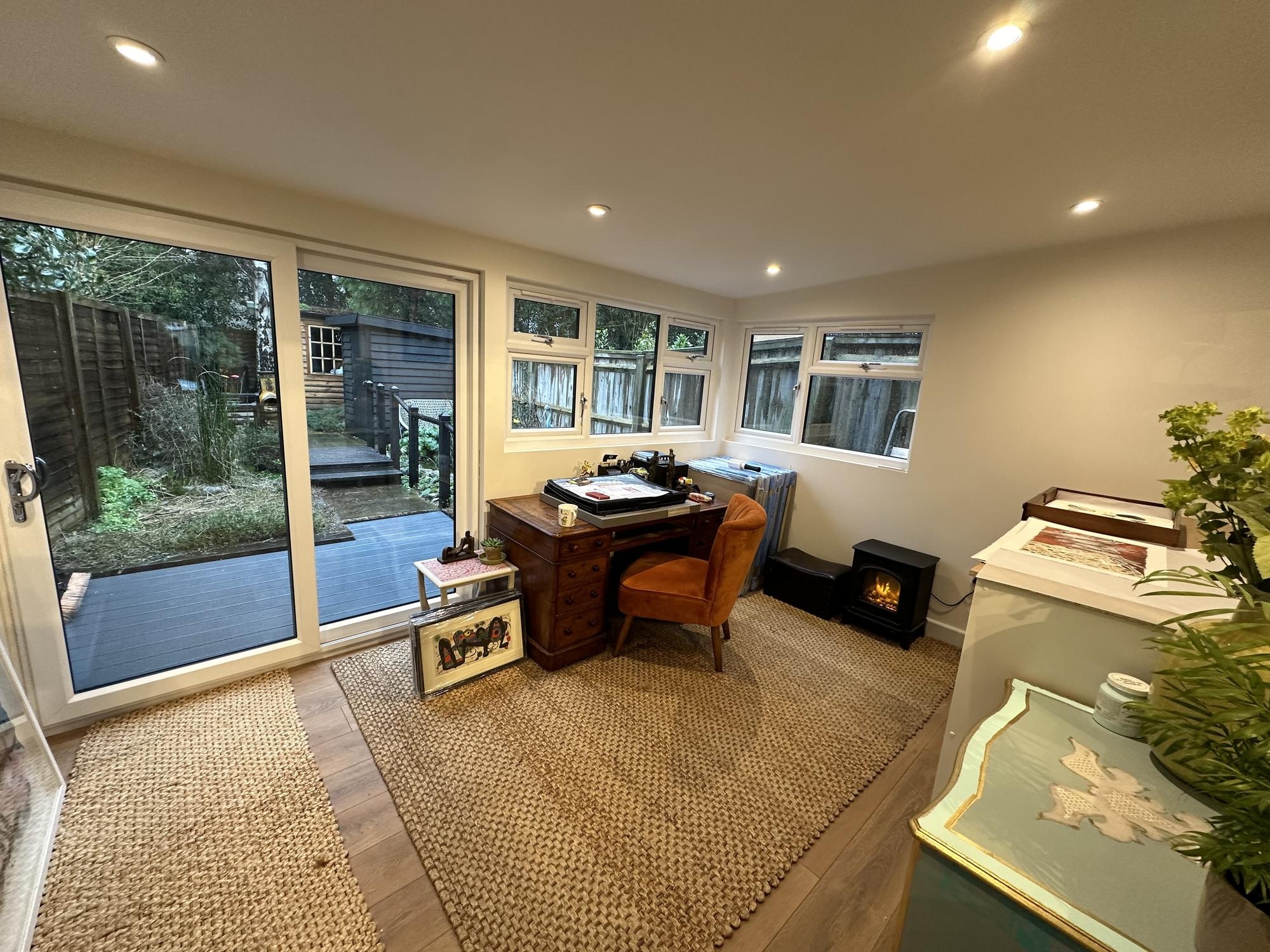
Creating a garden room can transform your outdoor space into a functional, stylish retreat that’s perfect for work, relaxation, or hobbies. This comprehensive guide outlines the steps and considerations involved in constructing a garden room yourself, ensuring that you can enjoy a durable and aesthetically pleasing extension of your home.
1. Planning and Design
Defining the Purpose
Before you break ground, define what your garden room will be used for. Whether it’s a home office, a creative studio, or a cozy hideaway, the function will dictate the design, materials, and overall size of the build.
Selecting Materials
Choose materials that will endure the elements and match your aesthetic preferences. Timber frames are popular for their natural insulation properties and versatility. For cladding, materials like Siberian larch or red cedar are favored for their durability and visual appeal. Ensure that all materials are suitable for outdoor use and can withstand your local climate.
2. Site Preparation and Foundation
Clearing and Leveling the Site
Start by clearing the site of any vegetation, rocks, or debris. Use string lines or spray paint to mark out the exact dimensions of the building. It’s crucial that the site is level, which can be achieved using a laser level or traditional string methods.
Foundation Choices
The foundation supports the entire structure and varies based on the garden room’s size and the soil’s stability. Options include concrete slabs, which are robust and relatively easy to pour, or more eco-friendly alternatives like plinth foundations. Ensure the foundation includes a damp proof membrane to prevent moisture ingress, crucial for maintaining the integrity of the room.
3. Constructing the Frame
Building and Raising the Walls
Construct the wall frames on the ground to ensure they are perfectly level before erecting them. Use pressure-treated timber to avoid rot. Incorporate noggins between studs to add extra stability to the walls.
Roofing Installation
Choose a roofing style that complements your garden room’s design and offers the necessary weather protection. Options include EPDM rubber roofing for flat roofs or traditional shingles for pitched roofs. Ensure the installation is secure and watertight to prevent any future water damage.
4. Insulation and Cladding
Installing Insulation
Proper insulation is vital for making the garden room comfortable year-round. Install high-quality insulation between the wall frames and beneath the roofing material to prevent heat loss in winter and keep the room cool in summer.
Applying Cladding
Cladding not only protects the structure from the elements but also adds to the visual appeal of your garden room. Attach your chosen cladding material to the exterior walls, following manufacturer instructions to ensure optimal performance and durability.
5. Windows, Doors, and Interior Finishing
Fitting Windows and Doors
Install windows and doors according to the manufacturer’s guidelines. Proper installation is crucial for security and insulation. Choose energy-efficient glazing to enhance the comfort of your garden room.
Interior Decoration
Once the structure is secure and weatherproof, you can start on the interior. Install drywall or plasterboard for a smooth finish, then paint or decorate according to your taste. Consider installing durable flooring that can withstand foot traffic and provide insulation.
6. Utilities and Legal Considerations
Managing Utilities
If you plan to use the garden room as a living space or office, you might need electricity, heating, and internet. Plan for these utilities early in the design process and hire a professional to install them safely and in compliance with local codes.
Permits and Regulations
Always check your local building regulations and zoning laws before starting construction. You may need to apply for permits, especially if your garden room exceeds certain sizes or includes significant electrical work.
Conclusion
Building a garden room is a significant but rewarding project that can enhance your property’s value and functionality. By carefully planning, choosing the right materials, and following the steps outlined above, you can ensure that your garden room will be a comfortable, durable space that meets all your needs.
Use online resources and tutorials to guide you through specific tasks, and don’t hesitate to consult with professionals when necessary. With some effort and creativity, you’ll be able to enjoy your new garden room in no time.
Further Reading and Resources
- How to Build a Garden Room in Less Than 10 Steps
- Building Materials and Techniques
- Damp Proofing Your Garden Room
- YouTube Tutorial on Building Wall Frames
- Penthaus Guide on Garden Rooms
- SelfBuild Garden Room
- YouTube Instructional Video on Frame Construction
- Quick Garden Ultimate Guide
- Permagard on Damp Proofing
- YouTube Playlist on DIY Garden Room Building
- YouTube Video on Installing Insulation