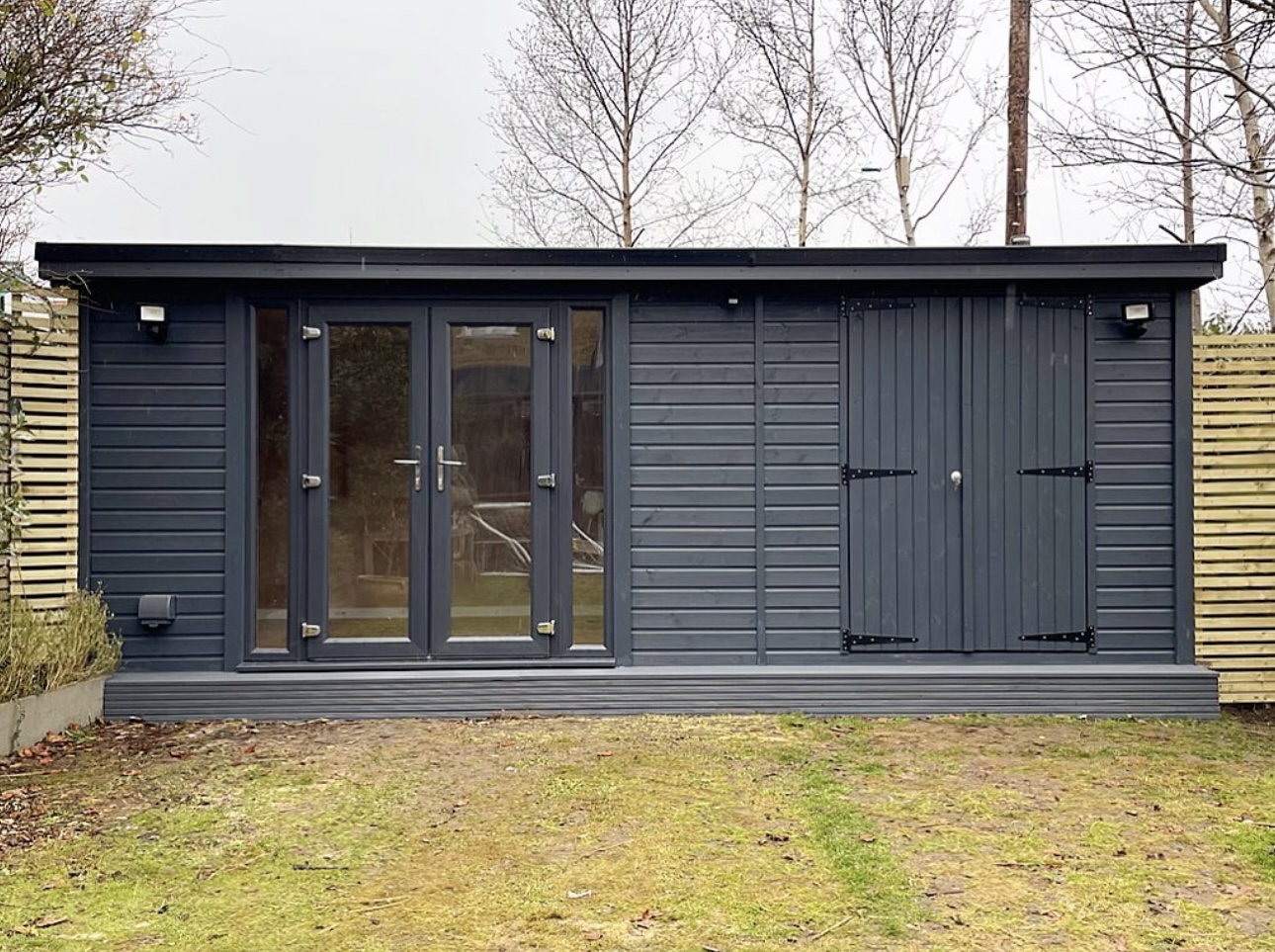
Transform your backyard into a highly functional and personalised workspace with this detailed guide on building a garden office. From navigating planning permissions to selecting the right materials and managing construction, this post covers all you need to know to enhance your property and work-life balance.
Planning and Permissions
Assessing the Need for Planning Permission
The first step in your garden office project is to determine whether you need planning permission. Structures under 2.5 meters in height generally do not require permission if they meet certain conditions, such as being positioned more than 2 meters from property boundaries and not being used for residential purposes. However, if your office will be used for regular business activities, such as client meetings or retail, you’re likely to need formal approval. Check with your local planning authority to ensure compliance and avoid potential fines [1][4].
Understanding Building Regulations
Even if your garden office does not require planning permission, it must comply with building regulations, especially if it’s intended for year-round use. These regulations cover structural integrity, fire safety, insulation, and access. Ensuring your office is built to code not only keeps you safe but also increases the utility and value of your construction [1][4].
Designing Your Garden Office
Defining the Purpose of Your Space
Think about how you’ll use the office. If it’s for tasks like writing or design, natural light and tranquility are key. For crafts or art, you might need more specialized storage or robust surfaces. List your daily activities to guide the layout and features, such as adequate power outlets, task lighting, and ergonomic considerations that can boost productivity and comfort [3].
Choosing Suitable Materials
The longevity and efficiency of your garden office depend significantly on the materials used:
- Structural materials: Wood is popular for its natural insulation properties and aesthetics, but metal or composite materials can offer greater durability and lower maintenance.
- Insulation: High-quality insulation in the walls, roof, and floor will help regulate the temperature, making the space comfortable throughout the year and reducing heating costs.
- Windows and doors: Energy-efficient glazing will keep your office warm in winter and cool in summer, reducing energy bills and enhancing comfort [5].
Construction Steps
Preparing the Site
Choose a level area of your garden that receives ample light. You may need to remove vegetation or even out the ground. Proper foundation is crucial for stability and to prevent moisture ingress. Depending on the design, you might need concrete foundations or adjustable pads that can cope with uneven terrain [2].
Constructing the Frame
Whether you opt for a traditional build or a modular system, the quality of the frame will impact the structural integrity and lifespan of your office:
- Traditional builds allow for greater customization. Timber frames are common, offering flexibility in design and a warm, natural aesthetic.
- Modular systems are prefabricated off-site and typically involve a faster installation process, which might be ideal if you need your office ready quickly [1].
Interior and Exterior Finishing
The final phase of construction involves both functional and aesthetic decisions:
- Interior: Include adequate insulation, install drywall, and consider built-in desks or shelves to maximize space. Select decor that enhances focus and creativity.
- Exterior: Choose claddings like wood, composite panels, or even brick veneer to match your home’s exterior and ensure durability. Proper roofing, such as tiles or a green roof, can add character and functionality [5].
Budgeting and Costs
The investment for a garden office varies widely based on size, materials, and whether you DIY some of the tasks:
- DIY projects can significantly reduce costs but require time, tools, and a certain level of skill.
- Professional installations offer peace of mind and are necessary for electrical and plumbing work, but they come at a higher price.
Conclusion
Creating a garden office is a rewarding project that not only provides a dedicated workspace but also adds to your property’s appeal and value. With careful planning, the right materials, and thorough design, you can enjoy a bespoke office in the comfort of your garden.